

Representation isn't false but its not reality either
AI systems speak to us in ways that make us engage easily, but the more plausible the representation, the less we consciously question its origins or authority.
Perspectives on leadership, strategy, and organizational resilience
AI systems speak to us in ways that make us engage easily, but the more plausible the representation, the less we consciously question its origins or authority.

A day bookended by a Chicago impact investing breakfast and a sustainable fashion showcase reveals a common thread: the city lacks not ideas but the connective tissue of finance and production.
The gospel of speed may feel decisive, but mistaking the thrill of a roller coaster for the real work of building a rocket ship creates a culture of chaos rather than durable innovation.
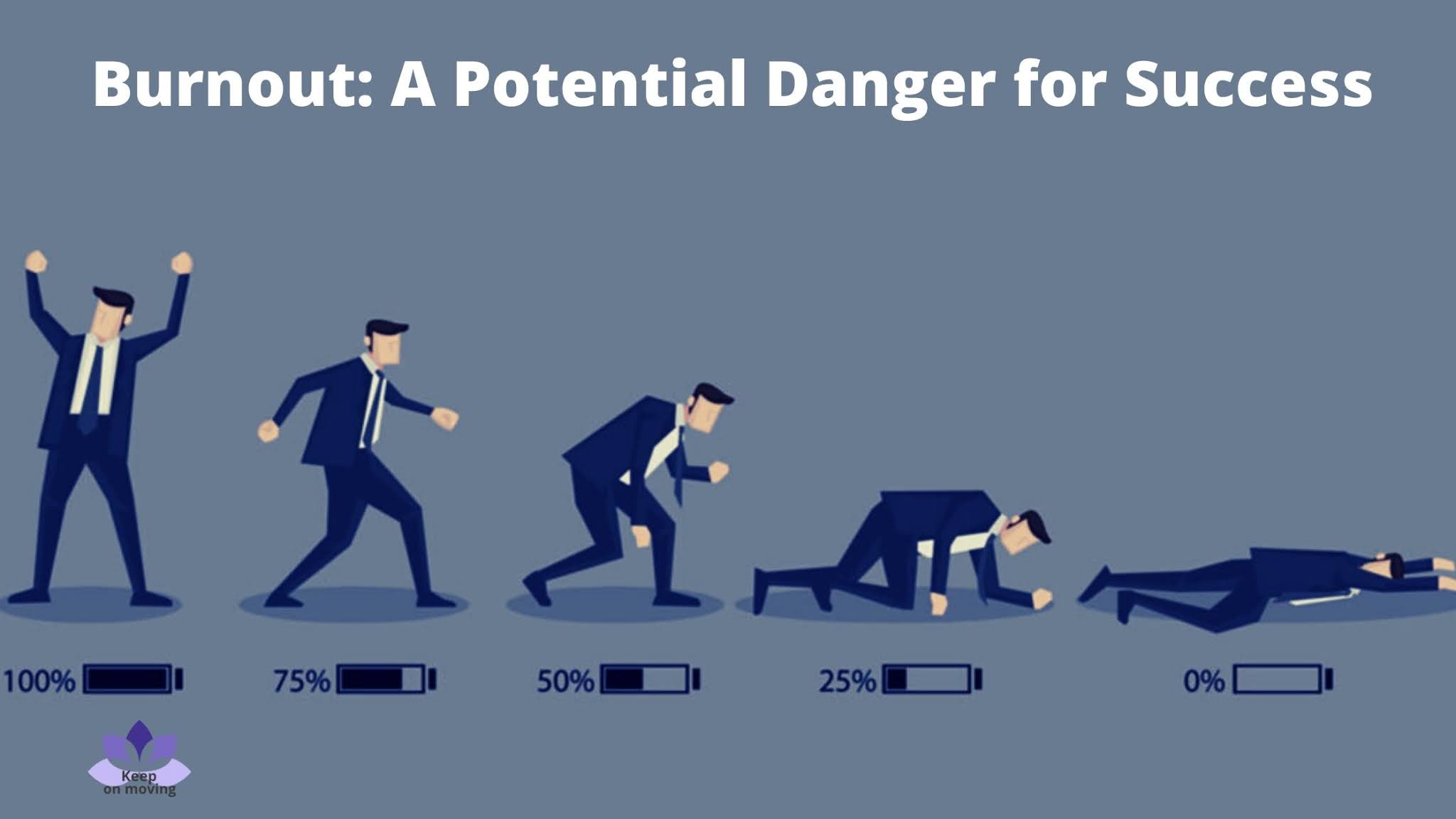
Burnout isn't a sign your team is failing—it's a sign your leadership and strategy are failing them, and transformational leaders diagnose the poison in the system rather than applying bandages.
While executives deliberate over AI risks, competitors gain structural advantages through systematic transformation—their fear of exposure is actually exposing them to competitive risk.
Facts inform, but stories persuade—master these six powerful narrative frameworks to build emotional connections and turn your pitch into a memorable experience.

Accomplishments transfer to others not directly but like lighthouses, seeds, and echoes—your breakthrough plants something in another person's mind that grows into their own unique breakthrough.

Invisible factors shape our business expectations and may obscure opportunities—recent research shows that contemplating art enhances abstract thinking while reducing anxiety, making a gallery visit a strategic move.
A chance remark at an art gallery opening about an unfamiliar cookie becomes a reminder that breaking the ice in conversation—however simple—opens doors to connections we'd otherwise miss.
A brief pause to notice small beauties—like lilac wildflowers low in the North Carolina grass—is itself an act of presence worth celebrating.
The Monty Hall problem reminds us that knowing when results are random versus part of a trend is essential for making decisions and taking the right risks—so who is your advisor?
Opportunity is co-created, and finding it requires awakening our senses and shifting our line of sight—casting a broader, open net to collect the information that is often more available than we imagine.
Resilient leaders maintain broader perspectives through change, understanding that it isn't change itself that harms us but our slow adaptation—manifested as resistance—that creates difficulty.
As our work becomes increasingly intertwined with technology, what value do we ascribe to human capabilities and our growing capacity to harness the tools we've created?
The dreamers unburdened by industry history can see complications others miss, but does their lack of experience become an asset or a liability—and when does the dream actually fuel a founder?
Life isn't a race with a hidden finish line—the key advantage lies in calculating risks rather than simply keeping pace, as cyclist Kristen Faulkner's Olympics victory illustrates.
In times of social upheaval, the most fundamental act of leadership—and humanity—is simply showing up and being willing to be seen.
Only by stepping aside from our own assumptions—and owning the framework we've developed through experience and failure—can we overcome hesitancy and truly advance our practice.
Twenty-one days of a public writing challenge reveals that writing changes how we think—and by continuing regularly, our thoughts evolve and expand in ways we never anticipated.
Like Madeleine Vionnet's bias cut that made fabric drape and flow, framestretching finds where there's friction in our thinking and finds ways to remove it—giving our ideas the stretch that makes them more forgiving.
The distinction between controlling outcomes and enabling others' growth—and between luck and cultivated skill—proves essential, and positioning yourself advantageously results from waiting, patience, and practice.
Explorers are not witnesses but investigators—cultivating the habit of questioning assumptions and filling the gaps in what we think we see is the foundation of genuine learning.
Learning to put our own interests first—rather than letting elusive quality standards stop our efforts—is the work of building a practice where everyone's contribution shares in purpose and pride.
Learning to hold space for others to fully express their thoughts—rather than interrupting with our own certainty—is what transforms a conversation from performance into genuine discovery.
A father's habit of asking 'What else are you thinking?' taught that uncertainty itself is embedded in how we understand the world—and that honoring that legacy means continuing to stretch our frames.
The brief, serendipitous partnerships that help a concept come to life—even when they don't endure—are often what give us the confidence to fully own and advance our own ideas.
The outward polished look opens doors but not minds—that requires good manners, kind words, and genuine warmth, allowing your thoughtful independent self to emerge as a welcome surprise.
Discovering metacognition—the idea that we can think about our own thinking—was a turning point that explained how radical career pivots become possible when we realize we can examine and redirect our own thought.
Committing to public writing and shorter posts is about finding the axes that orient understanding—whether axes are found or created, the discipline of engagement and feedback is what makes growth possible.
Work and play share the same performance attributes—commitment, strategy, improvement, and celebration—and turning objectives into games can shift perspective by activating capabilities that unconsciously awaited activation.
Twitter, Slack, and even Potato Parcel all succeeded through delivery reliability rather than personalization—it's the content and the fit between message and mode that ultimately wins over your target.
The holiday season invites reflection on how we evaluate new tools and how the GIST framework—Guts, Interrogation, Story, Turns—transforms awareness into lasting behavioral change.
Incorporating well-being into organizational strategy shows promise for sustainable growth, but alignment between organizational values and measurable outcomes remains critical to make it work.
Shifting from valuing control to valuing connection—and tracking assists the way sports do—transforms the stigma around asking for help into a recognized and measurable form of contribution.
Like unique snowflakes shaped by forces beyond their control, organizations gain resilience by embracing what makes them distinct rather than hiding behind structural uniformity.
Understanding storytelling's power is not enough—closing the gap between knowledge and action requires practice, and the Goldilocks story is a practical shorthand for teaching 'just right' thinking.
When 52 professionals were asked what they know about Columbus, only 10% matched their peers' answers—revealing how our beliefs form frames that determine what we say, and why listening for what people tell us exposes what they truly understand.
Building natural learned associations—like fire drills before emergencies—creates organizational resilience when routine processes fail and the unexpected unfolds.
Most growth happens in a curvilinear way, and resisting the allure of the steadily upward-sloping line—by studying outliers, looking beyond your industry, and digging into variance—is where strategic thinking really begins.
Running frame-stretching sessions with professionals reveals that letting participants lead—and suspending your own stories—is what allows fresh self-perception through alternate lenses.
A four-step exercise—stop, smile, look, listen—short-circuits automatic processing and exposes the subconscious foundations of our experience, improving critical thinking and behavioral awareness.
Descriptions alone prove ineffective—our brains need narrative as concrete evidence of value, and the WHAT4 framework gives organizations a structured path from current reality to breakthrough innovation.
Despite GPS, traffic maps, and media alerts, Chicago driver behavior has remained static—a coordinated public-private 'work smart' campaign could leverage existing workplace technology to reduce congestion and position Chicago as a true smart city.