
In 1969, Peter Drucker observed that "Perception is Not logic." He emphasized that we tend to perceive what we expect to perceive, see what we anticipate seeing, and hear what we anticipate hearing.
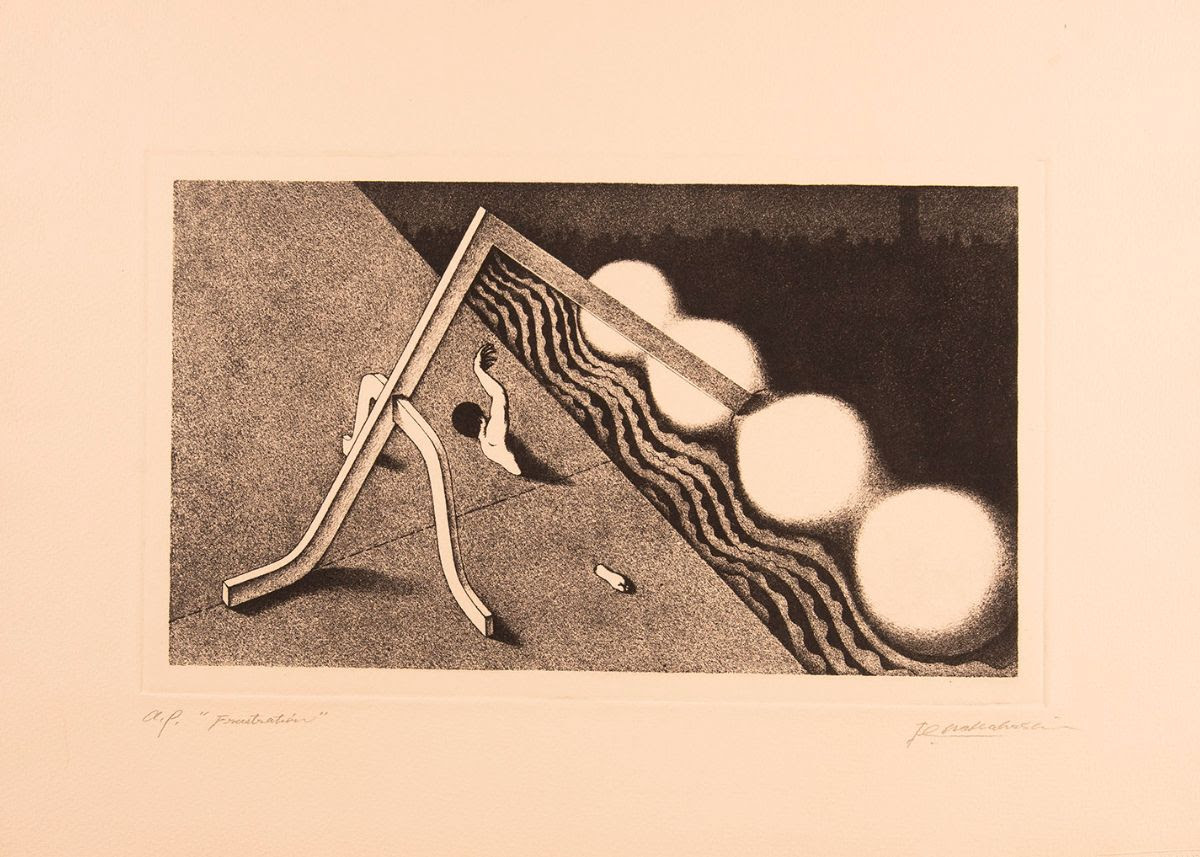
While Drucker was known for rationalism, the Surrealist movement—formalized by Andre Breton's manifesto 100 years prior—explored the subconscious through dreamlike imagery. Breton's work may have influenced Drucker, who experienced an epiphany viewing Japanese paintings in 1934 London, describing it as "a touch of enlightenment."
Today, major institutions celebrate Surrealism's centennial. The Art Institute of Chicago features Frida Kahlo's Month in Paris, her 1939 visit invited by Breton.
These exhibitions highlight lesser-known artists exploring the unconscious. In business, invisible factors shape expectations and may obscure opportunities. Recent Cambridge research demonstrates that contemplating art enhances abstract thinking while reducing anxiety.
The message: venture beyond your frame of reference to gain clarity and discover untapped growth potential.
Leave a Comment