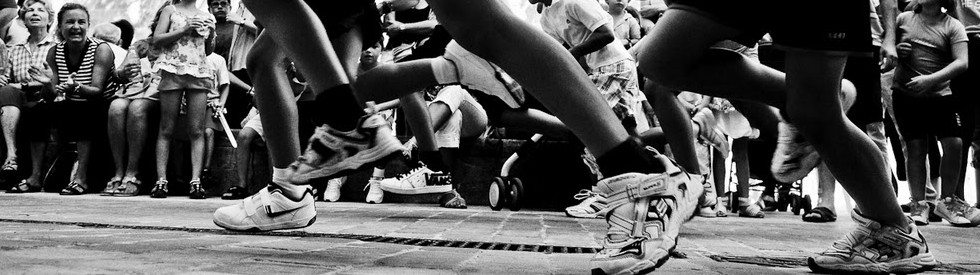
Finally...
The 2024 US presidential Election Day has arrived. Will this resolve the persistent uncertainty affecting the nation?
Resilient leaders demonstrate unconventional behavior adjustments and maintain broader perspectives. Understanding change's nature revealed surprising insights.
Process still serves us
Election scheduling and consistent processes created "stable uncertainty"—a term pollster Patrick Murray referenced on NBC News. Major decisions get delayed as stakeholders manage risks associated with governmental transitions.
Change is integral to Democracy and life itself, yet psychologists note that change itself isn't harmful; rather, our slow adaptation—manifested as resistance—causes difficulty.
Partisan turnout, malleable voters, and late deciders create forecasting challenges. Since 2020, the voting process itself became uncertain due to pandemic accommodations and subsequent social media questioning.
Independent-minded voters historically resist status quo by voting for change, believing this prevents any single party from assuming excessive power.
Wishful thinking
Action-driven change feels different. Early voting provided immediate joy and lifted spirits. Voting represents important democratic participation.
We benefit from greater optimism. Our attention naturally focuses on immediate goals; when problems arise, we feel betrayed. Coping requires broadening focus, allowing unexpected developments to trigger fresh thinking.
Mathematicians encourage exponential thinking over linear frameworks. Engagement with others matters—provided we avoid repeating familiar patterns expecting different results.
Embracing change helps us adapt. More importantly, it enables connecting information differently and creates better opportunities collectively. Share your discoveries and feelings.
Leave a Comment